Cold Test
A controlled cold stimulus is applied to the tooth and the response is compared with nearby teeth. This helps us understand whether the pulp's sensory nerves respond and whether the response appears normal or prolonged.
CHECK-UP & DIAGNOSIS
A dental check-up helps us look beyond a single tooth or symptom, understand your overall oral health and identify problems early.
IN SIMPLE WORDS
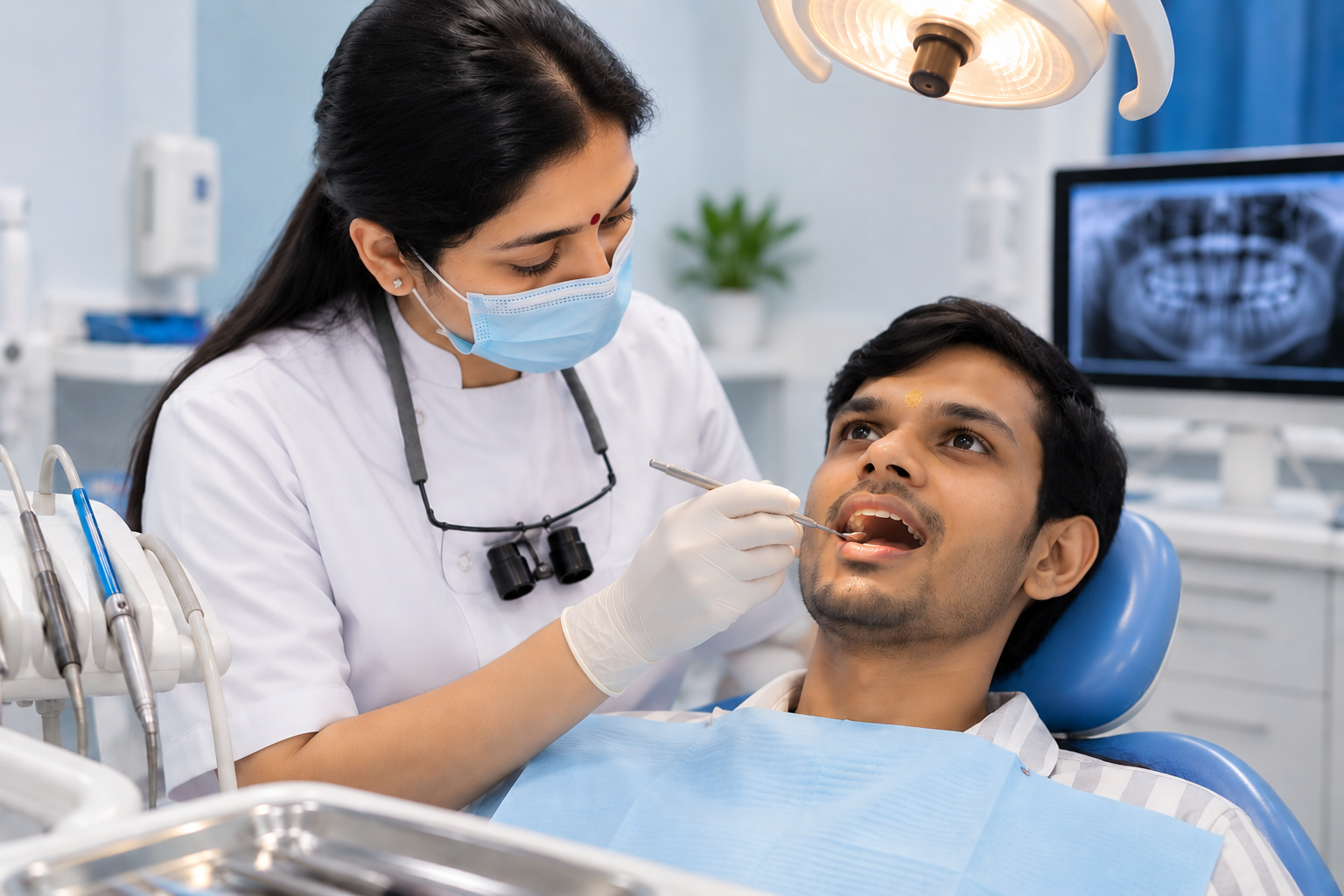
A check-up is more than simply looking for cavities. We look at your teeth, gums, bite and existing dental work, and listen to anything that has been bothering you.
If something needs a closer look, we explain what we found and discuss whether any further examination is useful.
The goal is simple: understand your dental health before deciding on treatment.
We use controlled tests to understand how a tooth responds and to help determine the condition of the pulp before planning treatment.
A controlled cold stimulus is applied to the tooth and the response is compared with nearby teeth. This helps us understand whether the pulp's sensory nerves respond and whether the response appears normal or prolonged.
A controlled heat stimulus may be used when additional information is needed, especially when warmth or hot foods are associated with the patient's symptoms.
True vitality assessment looks at the blood supply within the pulp. In clinical practice, vitality and sensibility findings are interpreted together with symptoms, examination and dental X-rays.
WHAT DO WE CHECK?
Your symptoms are important, but so is the bigger picture. A routine assessment can include several parts of your oral health.
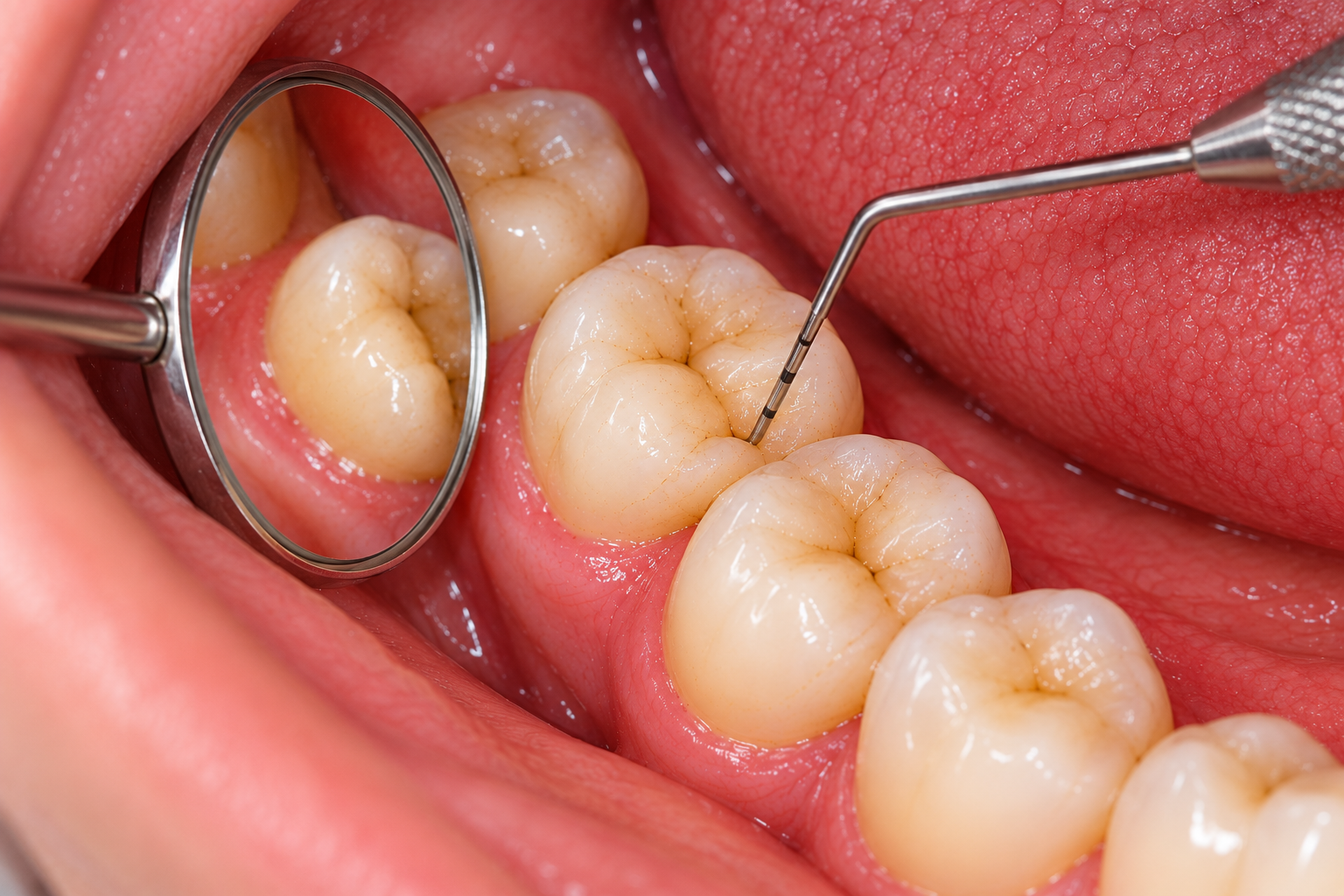
Looking for decay, cracks, wear, sensitivity and other changes.
Checking for signs of inflammation, bleeding or gum problems.
Looking at how your teeth meet and whether there are signs of excessive wear or other concerns.
Checking fillings, crowns and other restorations for signs of wear or damage.
Understanding pain, sensitivity, swelling or anything else you have noticed.
Bringing the findings together rather than looking at one tooth in isolation.
WHEN SHOULD YOU COME?
If something feels different, looks unusual or simply doesn't feel right, a check-up is a good place to start.
Toothache, pain while biting or discomfort that keeps returning.
Hot, cold or sweet foods cause unusual or lingering sensitivity.
A dark spot, crack, swelling, chipped tooth or other change.
You want to know whether everything is healthy and on track.
WHEN MORE INFORMATION IS NEEDED
Not every patient needs additional tests. If something needs further assessment, we explain why before recommending it.
X-rays can help us see areas that cannot be fully assessed during a visual examination.
Photographs can help document findings and make it easier to explain what we see.
Some concerns may need a more focused examination before a treatment decision is made.
When appropriate, we may discuss whether another dental specialist should be involved.
YOUR VISIT
We want you to leave knowing what we found, what it means and what your options are.
We start by understanding your concerns, symptoms and what you would like help with.
We examine your teeth, gums, bite and other relevant areas.
If something needs a closer look, we explain what information would help and why.
We discuss the findings in straightforward language and answer your questions.
If treatment is needed, we explain the options so you can make an informed decision.
YOU MAY BE WONDERING
Yes. Some dental problems may not cause noticeable symptoms in their early stages. A routine examination can help identify changes before they become more troublesome.
Not necessarily. Whether an X-ray is useful depends on your symptoms, examination findings and dental history. We explain when additional imaging is recommended.
Tell us. Knowing that you are anxious helps us adapt the visit, explain things before we do them and give you time to ask questions.
A check-up is primarily about understanding your dental health. If treatment is recommended, we discuss the findings and options with you so you understand what comes next.
If you have previous dental records, X-rays, a list of current medicines or information about recent dental treatment, bringing them can be helpful.
NOT SURE WHERE TO START?
Tell us what is bothering you, or simply come in to understand the current state of your dental health.