
Gum Health & Periodontal Care
Healthy gums are the foundation of a healthy smile.
Early attention to gum problems can help protect your teeth and support long-term oral health.
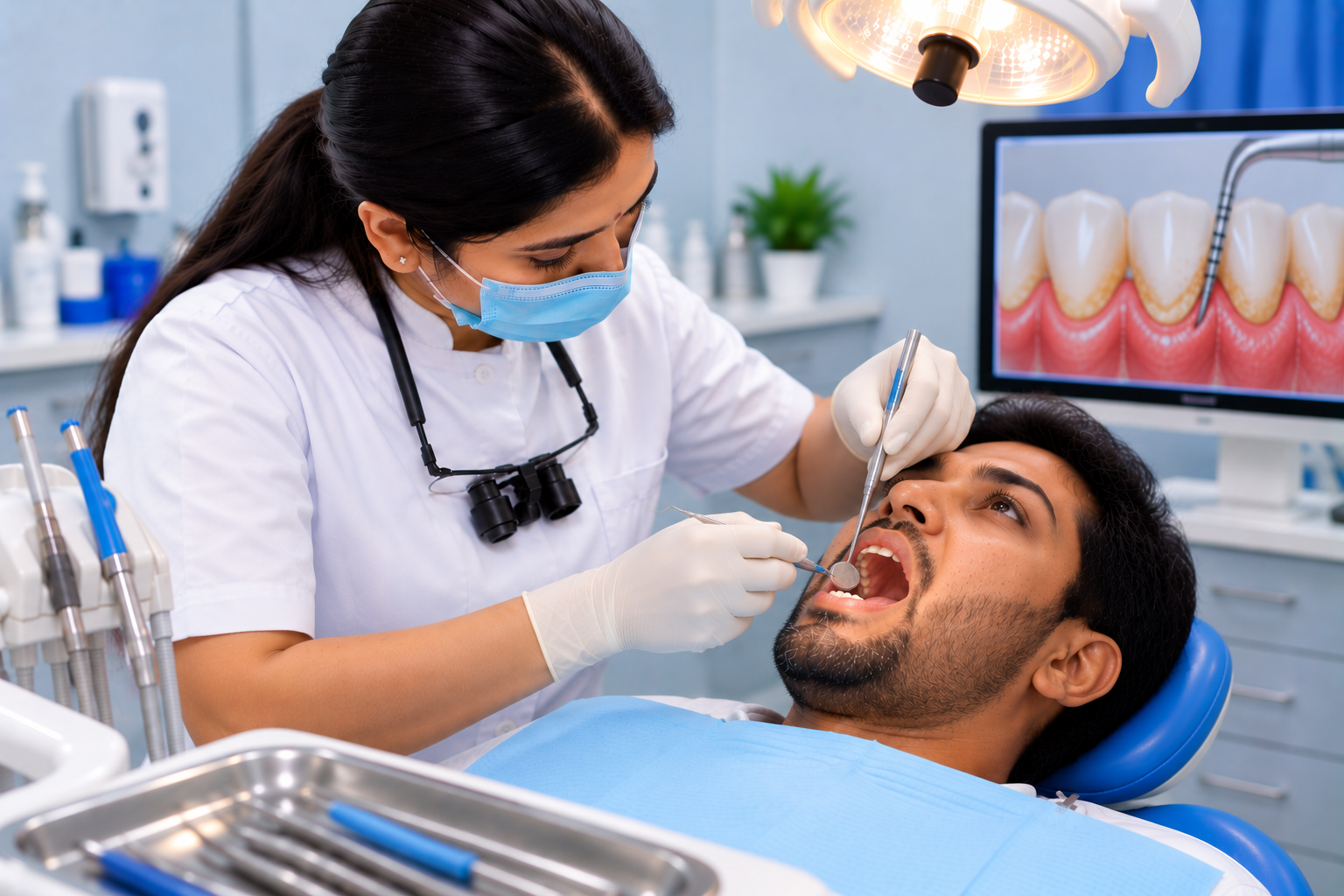
Gum disease can develop gradually and may not always cause obvious discomfort in its early stages. Careful examination helps identify inflammation, gum problems and changes around the teeth.
IN SIMPLE WORDS
What is periodontal care?
Periodontal care focuses on the health of the gums and the tissues that support your teeth.
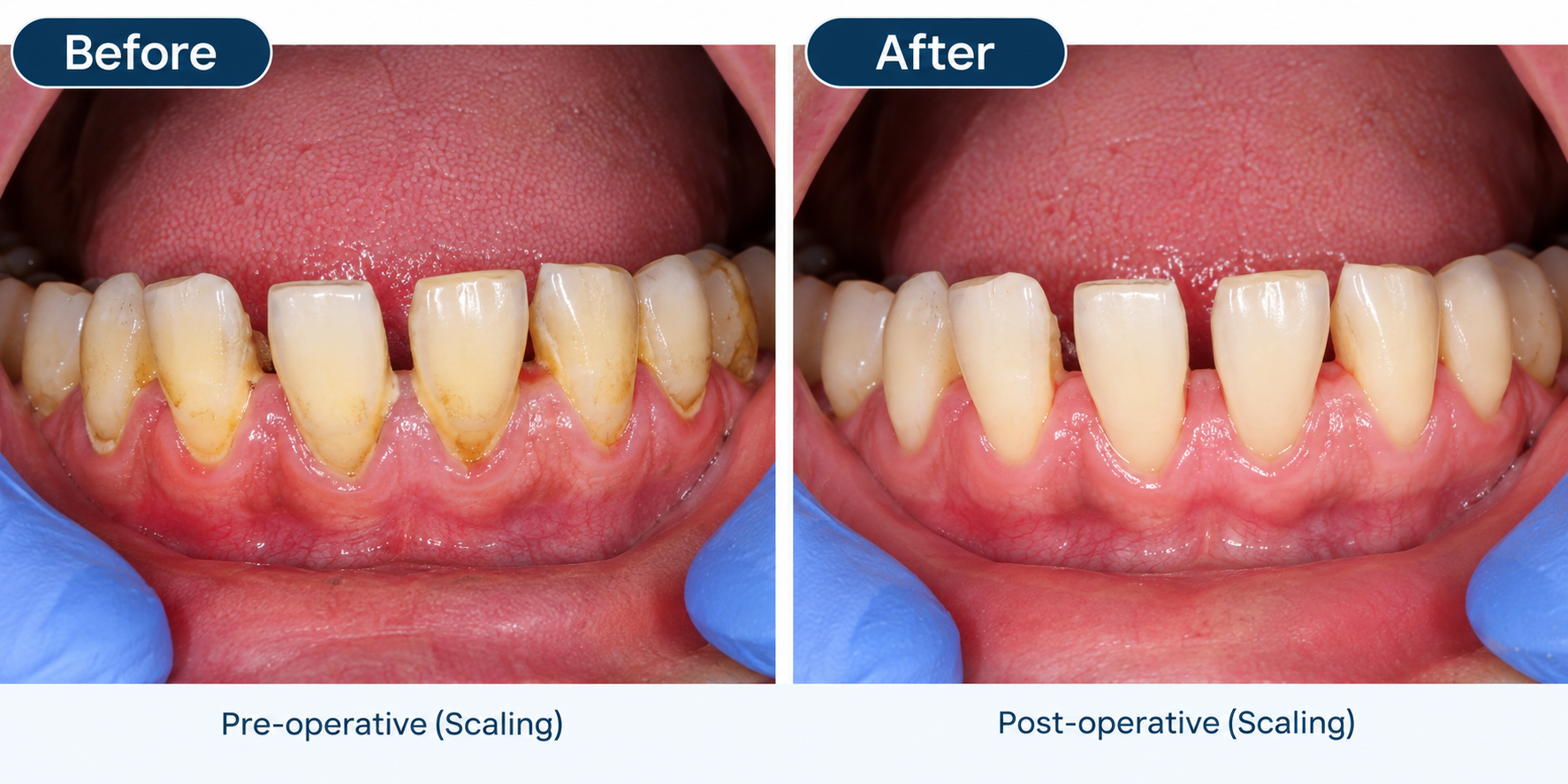
Healthy gums are usually firm and comfortable. Redness, swelling, bleeding while brushing or changes around the teeth can sometimes indicate gum inflammation or periodontal problems.
The aim of periodontal care is to identify problems early, control inflammation and help maintain the supporting tissues around your teeth.
WHEN MAY PERIODONTAL CARE BE NEEDED?
Understanding the signs can help you act earlier.
Gum problems can range from mild inflammation to more advanced periodontal conditions. Assessment helps determine the appropriate level of care.
Bleeding gums
Bleeding during brushing or flossing can be associated with gum inflammation and should be assessed if persistent.
Red or swollen gums
Changes in gum colour, swelling or tenderness may indicate inflammation around the teeth.
Gum recession
Receding gums can expose more of the tooth and may require assessment of the gums and supporting tissues.
Persistent bad breath
Ongoing bad breath can have several causes, including problems related to oral hygiene and gum health.
Gum pockets
Changes in the spaces between the gums and teeth may require detailed periodontal assessment.
Loose or changing teeth
Tooth mobility or changes in how teeth come together may sometimes be associated with supporting tissue problems.
DAILY GUM CARE
Small daily habits can make a meaningful difference.
Professional care works together with consistent daily oral hygiene to support healthier gums.
Brush carefully
Brush your teeth and gumline thoroughly using an appropriate brushing technique.
Clean between teeth
Cleaning between teeth helps remove plaque from areas that a toothbrush may not reach effectively.
Watch for changes
Pay attention to bleeding, swelling, recession, sensitivity or changes around your gums.
Maintain regular care
Regular dental examinations can help monitor your gums and identify changes over time.
OUR APPROACH
Understand the gums first. Then plan the right care.
Periodontal care begins with understanding the condition of your gums and supporting tissues before deciding on the appropriate treatment.
Examine your gums
We assess the appearance and condition of your gums, teeth and supporting tissues.
Identify the cause
Findings are considered together with your oral hygiene, symptoms and individual dental situation.
Plan appropriate treatment
The recommended care depends on the severity and nature of the gum problem identified during assessment.
Maintain the results
Long-term gum health depends on daily oral hygiene, professional care and appropriate monitoring.
YOU MAY BE WONDERING
Gum health questions, answered simply.
Bleeding gums can be associated with gum inflammation, plaque accumulation or other oral health problems. Persistent bleeding should be assessed by a dentist.
Gum problems do not always cause significant pain, particularly in their earlier stages. This is one reason regular dental examinations can be important.
Many gum conditions can be managed with appropriate professional treatment and consistent home care. The treatment required depends on the condition and severity.
Receding gums do not generally grow back on their own. The appropriate management depends on the cause, severity and individual clinical situation.
Consistent brushing, cleaning between the teeth, regular dental examinations and appropriate professional care can all contribute to maintaining gum health.